 SuanSupply
Trade and tariffsExplainer
Who sets US tariffs, the president or Congress? What the 2026 midterms can change for importers
The Constitution gives Congress the tariff power; laws let the president act. What the November 3, 2026 midterms can and cannot change for importers.
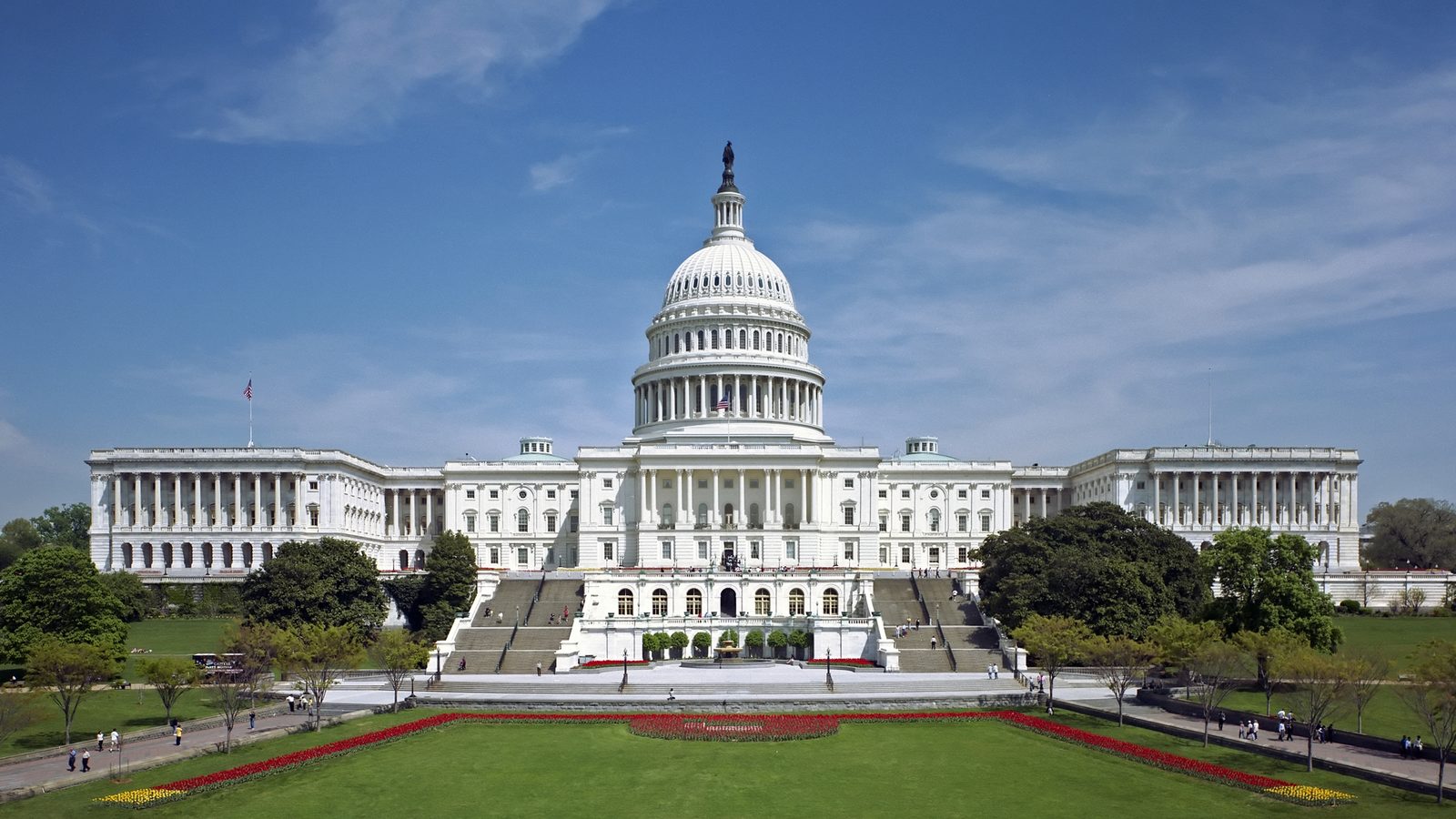
Congress holds the tariff power under the Constitution, but most tariffs in force today were set by the executive branch under laws Congress passed. The midterm elections on November 3, 2026 decide who sits in Congress from January 3, 2027. Here is what that can and cannot change for the duties you pay, without the politics.
For: ImportersAmazon sellersSmall businesses
Some links on this page are affiliate links: if you sign up through one, we may earn a commission at no extra cost to you. It never decides what we report.
The short version
- The Constitution gives Congress the power to lay duties and to regulate commerce with foreign nations (Article I, Section 8).
- Congress has passed laws that let the executive branch set tariffs in defined cases: Section 232 (national security), Section 301 (unfair trade practices), Section 201 (import surges) and Section 122 (up to 15% for up to 150 days).
- On February 20, 2026 the Supreme Court ruled 6 to 3 in Learning Resources, Inc. v. Trump that IEEPA, an emergency powers law, does not authorize tariffs. The Section 301 and Section 232 tariffs were not part of that case and stay in force.
- The midterms on November 3, 2026 change no tariff by themselves. A new Congress, sworn in on January 3, 2027, can change tariffs only by passing a law, which needs the president's signature or a veto override.
By the numbers
Key dates
- 3Nov US midterm elections (House and Senate)
- 3Jan New US Congress meets
Who has the power to set tariffs in the US?
Congress does, on paper. Article I, Section 8 of the Constitution gives Congress the power "To lay and collect Taxes, Duties, Imposts and Excises" and "To regulate Commerce with foreign Nations" (Constitution Annotated).
In practice, Congress has written laws that hand defined tariff powers to the executive branch. The rate you pay on a product from China today comes from the Harmonized Tariff Schedule set by Congress plus the layers added under these laws.
Which laws let the president add tariffs?
| Law | Who acts | What it allows |
|---|---|---|
| Section 232 (19 U.S.C. 1862) | Commerce investigates, the President decides | Adjust imports that threaten national security, after a report due within 270 days |
| Section 301 (19 U.S.C. 2411) | USTR, subject to the President's direction | Respond to foreign practices that are unreasonable or break trade agreements |
| Section 201 (19 U.S.C. 2251) | The ITC investigates, the President decides | Relief when rising imports cause serious injury to a US industry |
| Section 122 (19 U.S.C. 2132) | The President | A surcharge of up to 15% for up to 150 days, longer only by an Act of Congress |
Sources: Section 232, Section 301, Section 201, Section 122 (US Code via Cornell LII).
What changed in 2026?
- February 20: the Supreme Court held in Learning Resources, Inc. v. Trump that the International Emergency Economic Powers Act (IEEPA) does not authorize tariffs. Importers who paid those tariffs are owed refunds (see our tariff refund guide).
- February 24 to July 24: a 10% Section 122 surcharge applied under Proclamation 11012. Section 122 caps such a surcharge at 150 days unless Congress extends it by law, and it ended on July 24.
- Since July 24: a 12.5% Section 301 tariff applies to most goods from China, on top of the earlier Section 301 lists (see the China tariffs tracker).
What can the 2026 midterms change?
On November 3, 2026 voters elect all 435 members of the House and 35 senators (33 regular seats plus 2 special elections, per Ballotpedia). The new Congress meets on January 3, 2027 under the 20th Amendment.
Whatever the result, Congress affects tariffs in a few defined ways:
- Pass a law that sets, limits, extends or ends a tariff or a tariff authority. A bill needs both chambers and the president's signature, or a two-thirds vote in each chamber to override a veto.
- Extend a Section 122 surcharge beyond 150 days, which only an Act of Congress can do.
- End a national emergency by a joint resolution under the National Emergencies Act. Since the February ruling, IEEPA is no longer a basis for tariffs, so this matters less for duties than before.
- Hold hearings and ask questions of USTR and Commerce about tariff actions and exclusions.
What will not change on election night?
- No tariff changes on November 4. Election results do not change any rate by themselves.
- Section 301 and Section 232 tariffs stay unless the executive branch changes them, a court rules against them, or a new law passes.
- Scheduled dates still apply: 178 Section 301 exclusions on Chinese goods end at 11:59 p.m. ET on November 9, 2026 (deadlines tracker). The US-China truce was reported by the Treasury Secretary to run to January 10, 2027; we will add the official notice when it is published.
What should importers do before and after the midterms?
- Price on today's rates. Quote and reorder on the duties in force now, not on a guess about the election.
- Check your exclusions before November 9. If one of your HTS codes loses an exclusion, your duty can rise by 25 points that night.
- Keep entry records tidy. Refund claims and any future changes depend on clean importer-of-record data.
- Know where your goods are made. Origin, not the brand's home, decides which tariffs apply (see our Canton Fair piece).
- Run the numbers in the landed cost calculator for your top products.
Keep track of every change: Every US and Canadian tariff layer on Chinese goods, kept current.
Open the trackerKnow your landed cost under today's rates
Duty, Section 301, fees and freight per unit in our free calculator, or price every order with the Pricing and Landed Cost Calculator on Etsy: no subscription, no account, data stays on your device.
Tools we recommend
Some of these are affiliate links: if you sign up, we may earn a commission at no extra cost to you.
Free PDF guide + news alerts
Your first order from China: free 9-page checklist
Landed cost, vetting suppliers, quotes, samples, inspection, shipping and customs, plus a short note when a tariff, fee or postal change hits your business.
Free. No spam, unsubscribe anytime. Privacy
General information, not legal, tax or customs advice. Rules change often: check the official sources above or a licensed customs broker before you act. SuanSupply is not affiliated with any government agency or marketplace named here.